

Travel mode options
Below are the mode options available on Te Haerenga o ngā Tamariki.
Note: Students can only select one trip mode.
They should choose the mode that they used for most of their journey to school. For example, if a student caught a bus, then walked the last 100 metres from the bus stop, they would choose ‘Bus’ as the mode for their trip.
Q: What was the main way you got to school today?
|
Mode icon |
Te reo & Eng label* |
Description |

|
HīkoiWalk |
Includes walking with family or friends, using a mobility device such as a wheelchair, and taking part in a Walking School Bus. |
|
KutarereScooter |
Riding a scooter most of the way. |
|
PaihikaraBike |
This can also include being a passenger on a bike, or using a balance bike or trike. |
|
PahiBus |
This includes public buses and designated school buses. |
|
Tereina / waka tereTrain / ferry |
This can include all ‘other’ public transport, such as the ferry and cable car. |
|
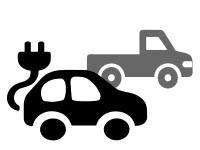
TaraiwatiaDriven |
"Private vehicles" includes cars, vans (including school vans), taxis, trucks, motorbikes, and EVs. Also carpools!
|
|
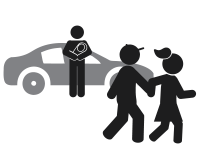
Kia tū, Kia hīkoiPark and Stride |
This is when a student is driven in a vehicle to a few hundred metres from the school gate and then walks (or wheels) the last bit of the trip to school. |
|
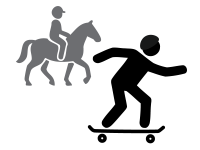
Ētahi atu (reti)Other (e.g. skate) |
This can include skateboards, roller-skates, horse, or anything else that is non-motorised and used for most of the trip to school. |
* italicised labels to be translated
Background
These modes have been carefully selected to balance data from the NZ Census and the most common ways tamariki travel to school. For example, we've added scooters as an option (in the Census this would count as 'walking') while we've combined 'train and ferry' (as these are less common).
And of course we've added Park and Stride, which gets students walking at least part of the way to school, reducing chaos at the school gate. Read below for more details, or copy this list and tailor it to your class needs.